Afghanistan Through A Tourist’s Lens
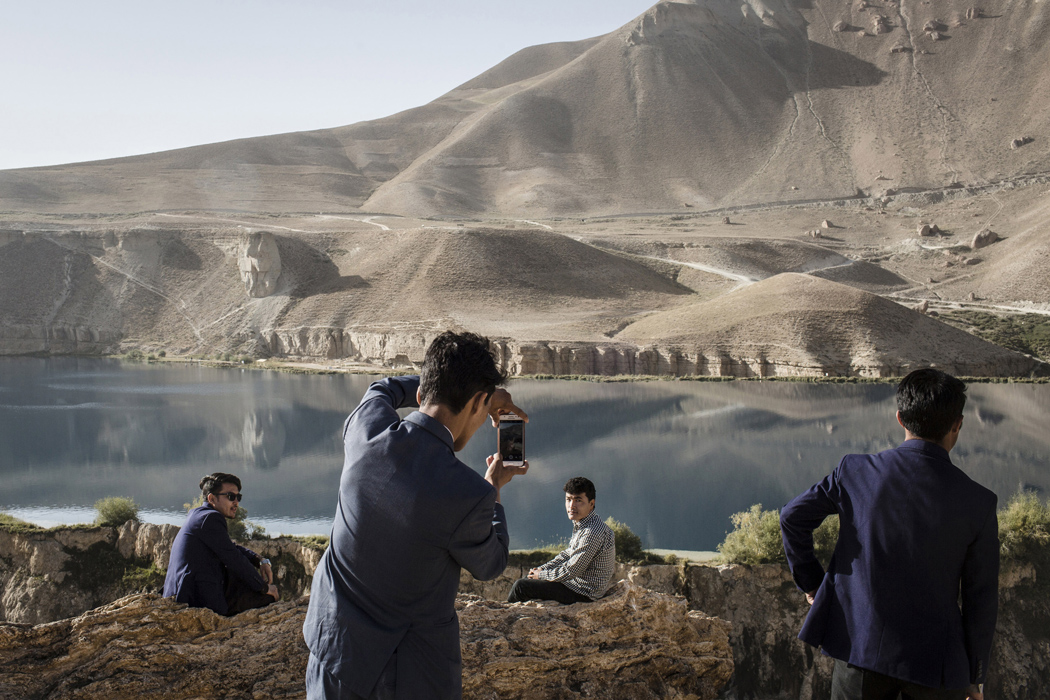
A group of school teachers from Kabul taking photos with Band-E Amir lake seen at the background at Band-E Amir national park on August 13, 2017, in Band-E Amir, Afghanistan. 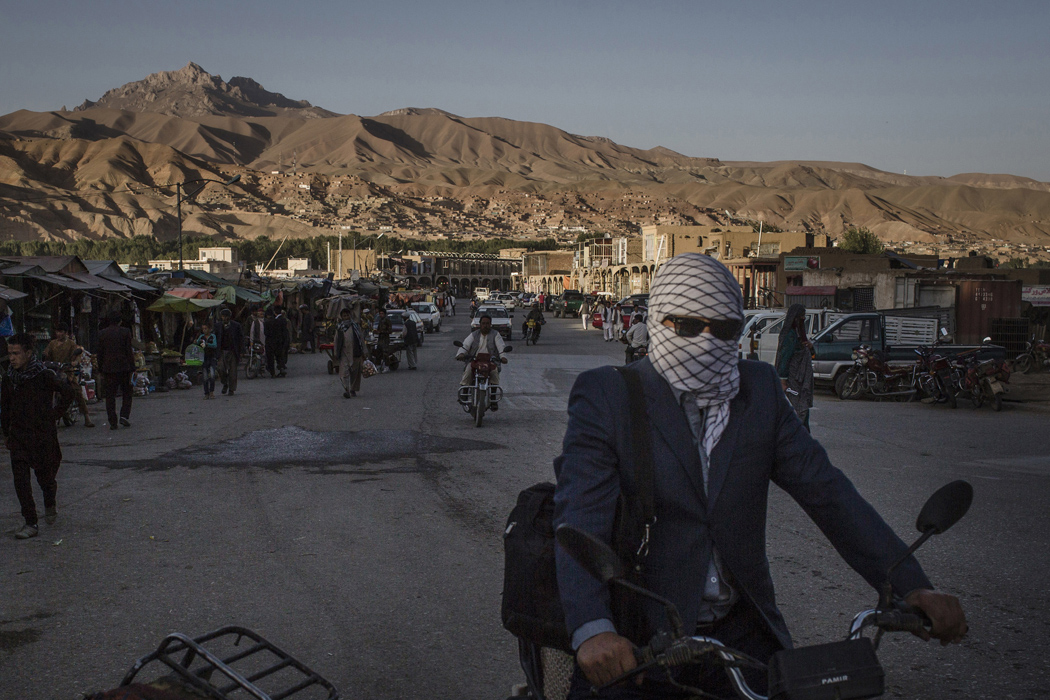
Afghans commute on motorbikes along Bamiyan bazaar on August 14, 2017, in Bamiyan, Afghanistan. 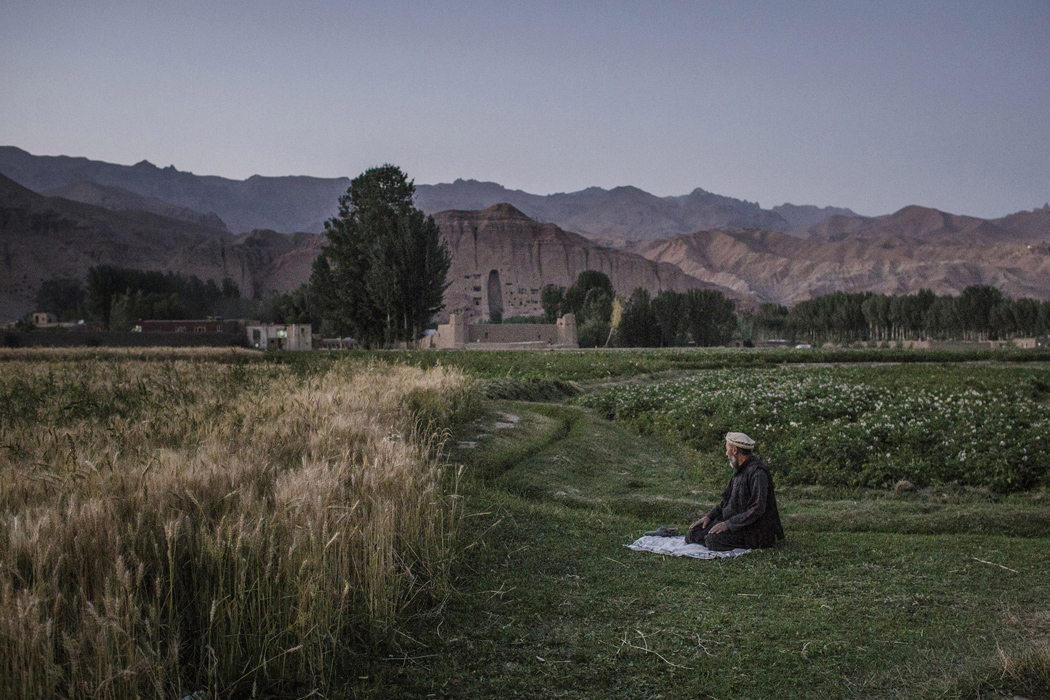
An Afghan muslim prays in the evening with caves where the Buddha of Bamiyan used to be located seen in the background, on August 9, 2017, in Bamiyan, Afghanistan. 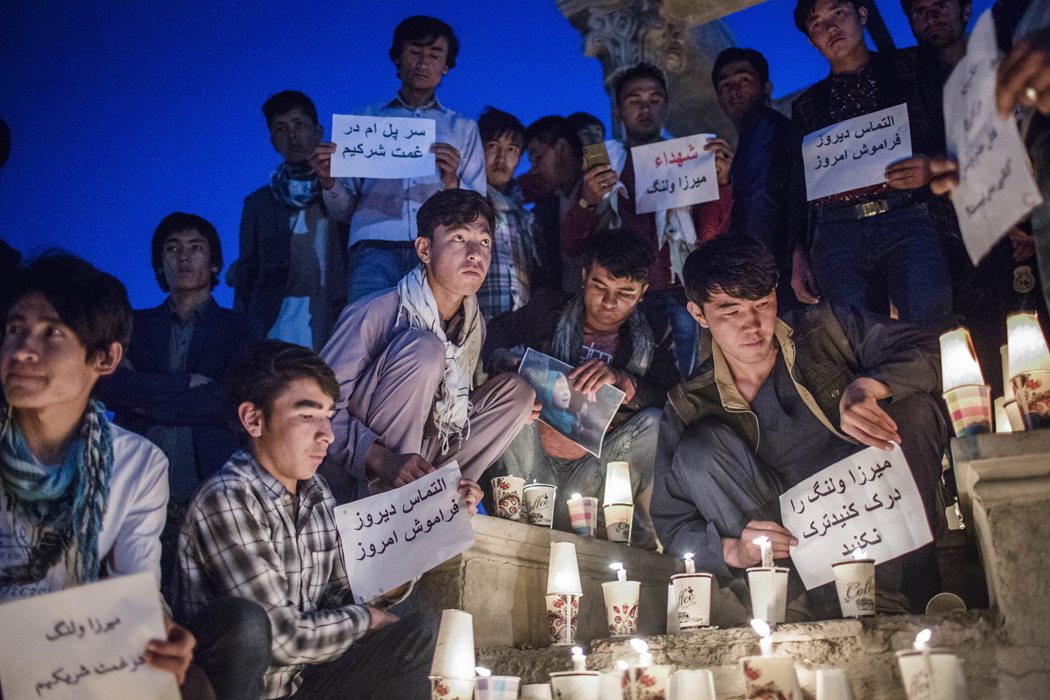
Afghan men remembering the victims of a joint Taliban-ISIS attack in northern Afghanistan, where around 50 people were killed, during an evening vigil four days after the attack on August 10, 2017, in Bamiyan, Afghanistan. 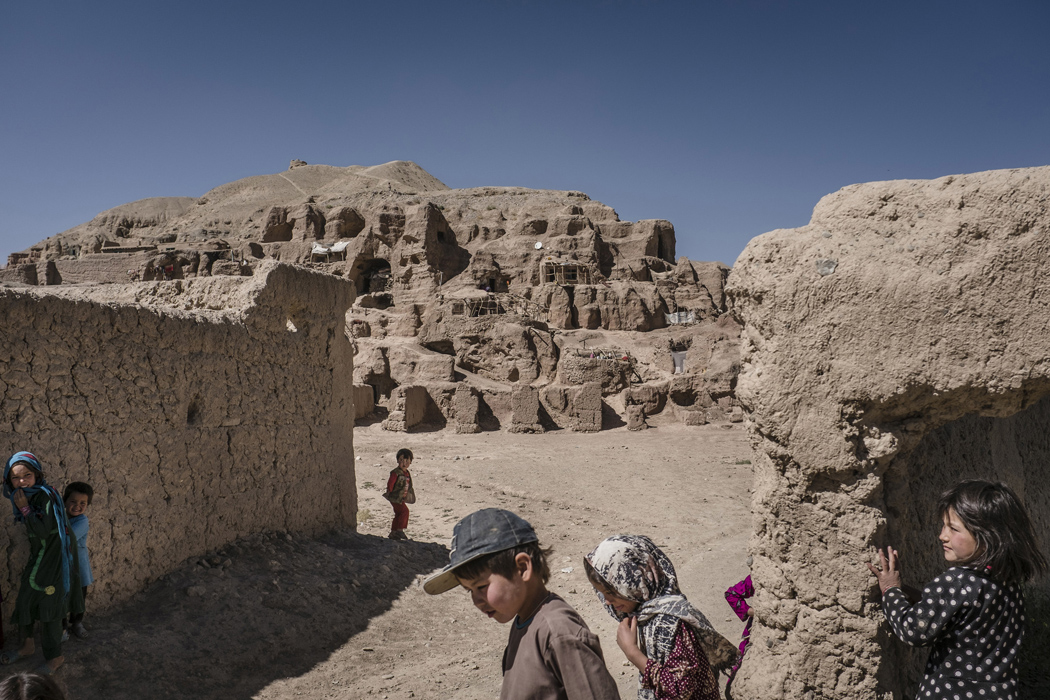
Afghan children playing in front a cave houses at Bamiyan on August 17, 2017, in Bamiyan, Afghanistan.
Afghanistan is not your typical holiday destination. As I was planning my trip, the war had stretched into its 16th year. The heightened threat of terrorism, risks of kidnapping, hostage taking and militant attacks led to increased travel advisories throughout most of the country. Despite the elevated threat however, I found that there were still stable locations that were relatively safe for travelers to visit, one of them being the Bamiyan Valley.
Located in central Afghanistan, Bamiyan is situated along the ancient Silk Road. The area gained notoriety when the Taliban destroyed two giant Buddha statues in 2001.
Despite the international headlines surrounding the incident, Bamiyan remains a unique travel destination for its historic UNESCO sites, including the ruins of Shahr-e Gholghola and Shahr-e Zuhak, as well as the caves that were occupied by some 5,000 monks during the town’s heyday over 10 centuries ago.
While Bamiyan remained peaceful, reaching the valley requires passing through cities like Kabul, which is still effectively a war zone. The route from Kabul to Bamiyan is scenic, though still risky for foreigners since many areas along the way are controlled by Taliban.
I flew into Bamiyan instead. There, I was able to explore the town with a loaned bicycle from the Bamiyan Cycling Federation, a women’s cycling team in Afghanistan. In exchange for the bike, I brought in bicycle tires and spare parts from Hong Kong, since they weren’t easily available in Afghanistan.
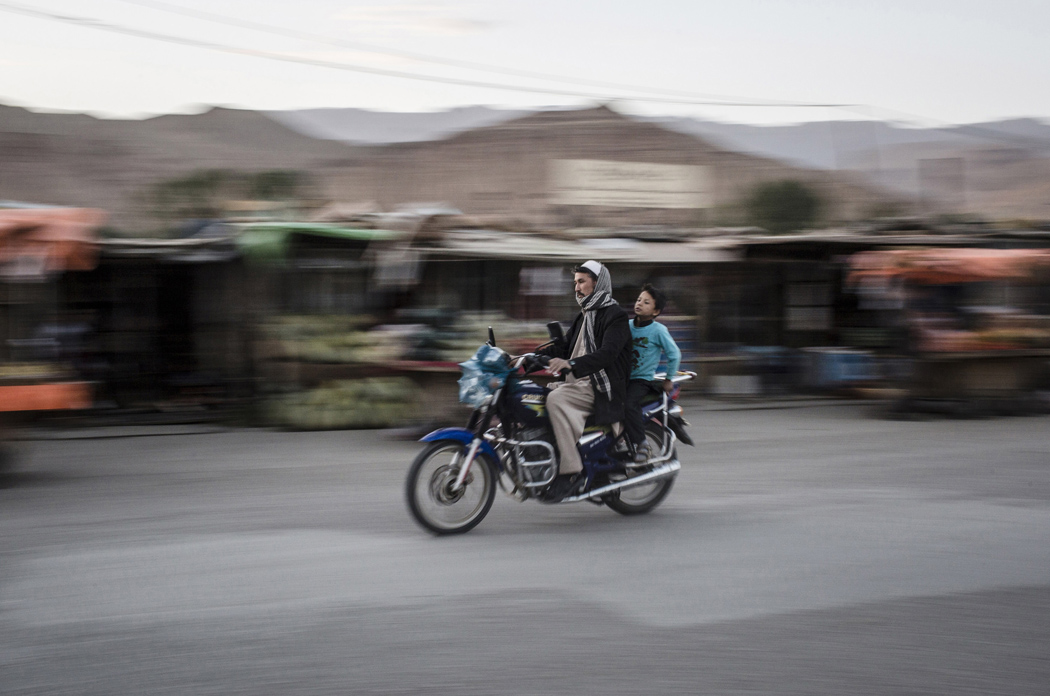
An Afghan man on a motorbike at Bamiyan bazaar on August 8, 2017, in Bamiyan, Afghanistan. 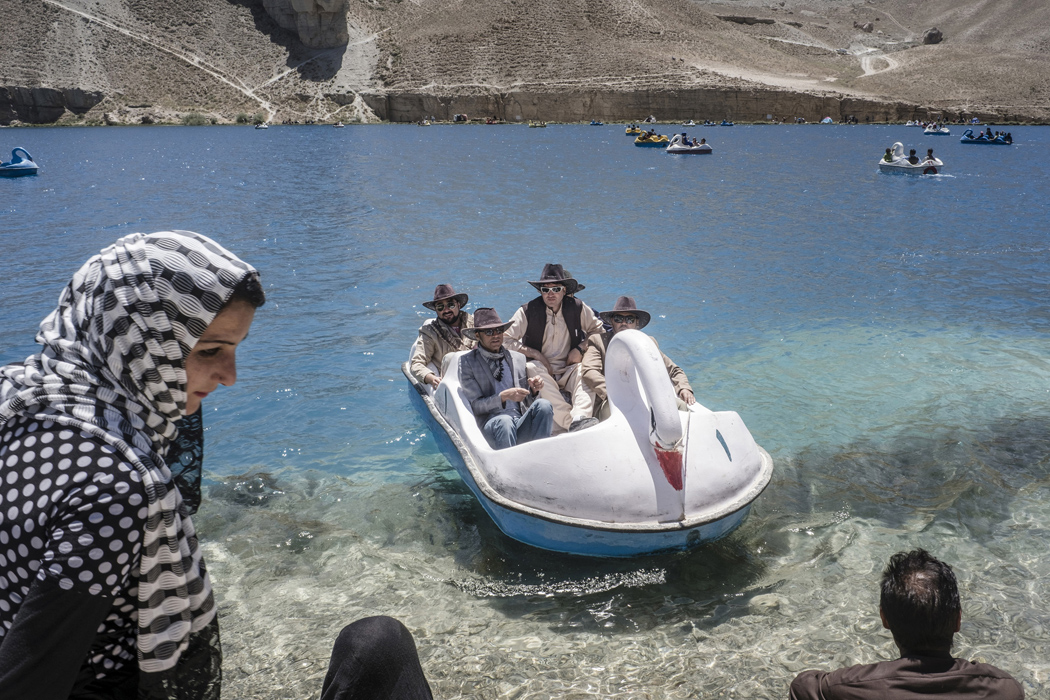
Afghans gather at Band-E Amir lake, where families and couples enjoy the day on swan boats at Band-E Amir national park on August 11, 2017, in Band-E Amir, Afghanistan. 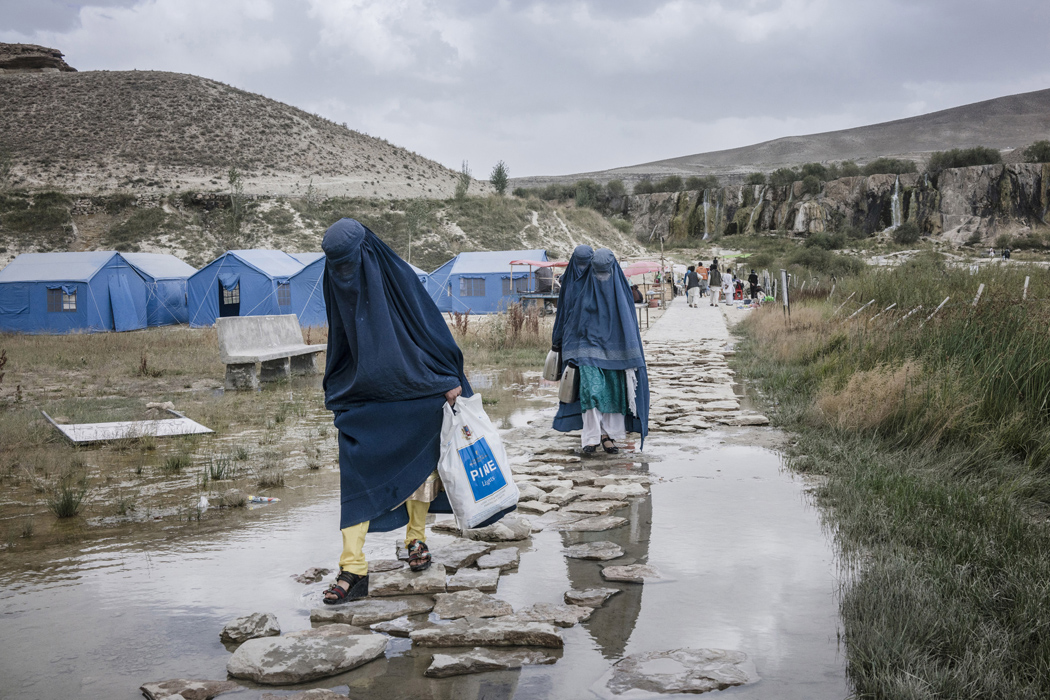
Afghan women dressed in burka walk towards the park near Band-E Amir lake at on August 13, 2017, in Band-E Amir national park, Afghanistan. 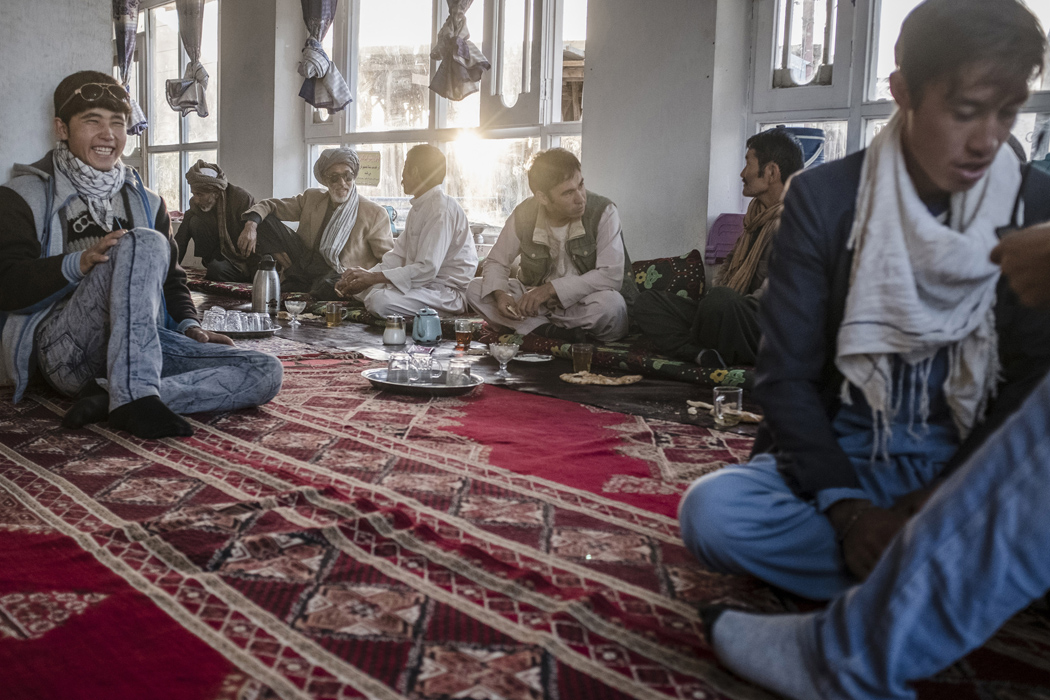
Afghan travellers having breakfast at a dinery in the town of Nayak on August 16, 2017, in Yakawalang, Afghanistan. 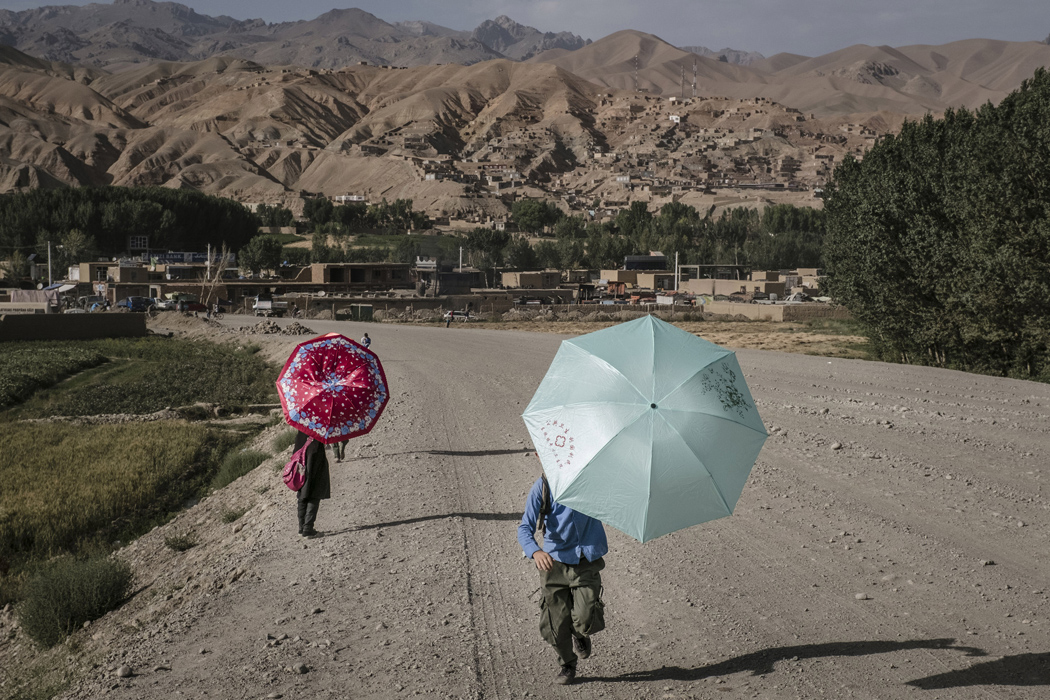
Afghan children shade themselves with umbrellas on August 7, 2017, in Bamiyan, Afghanistan. 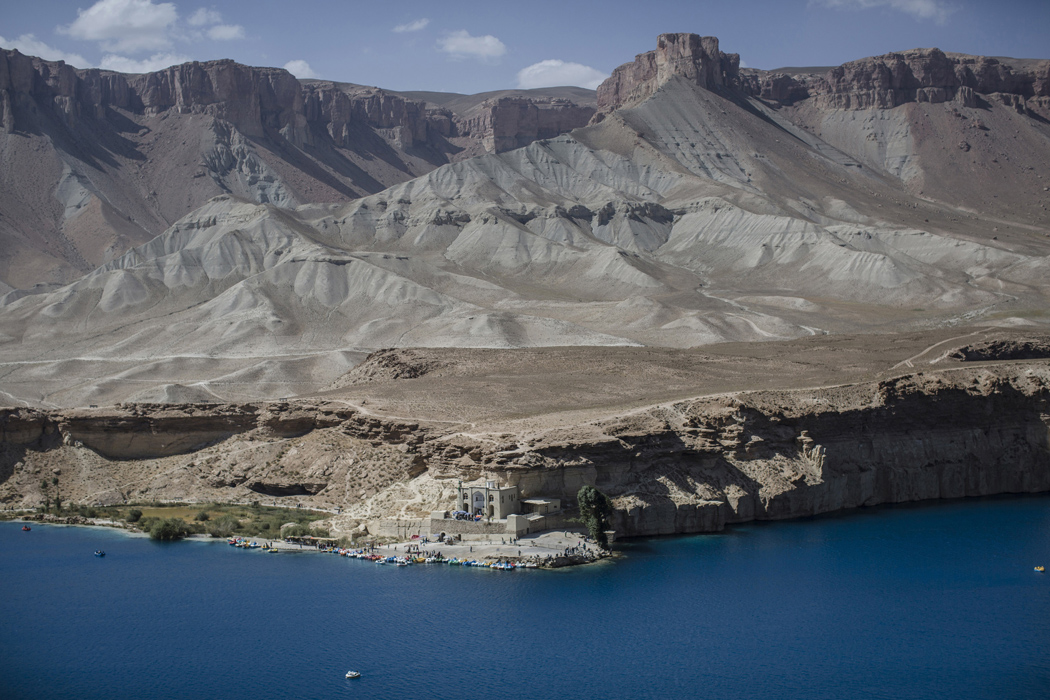
An overview of Band-E Amir lake at Band-E Amir national park on August 12, 2017, in Band-E Amir, Afghanistan. 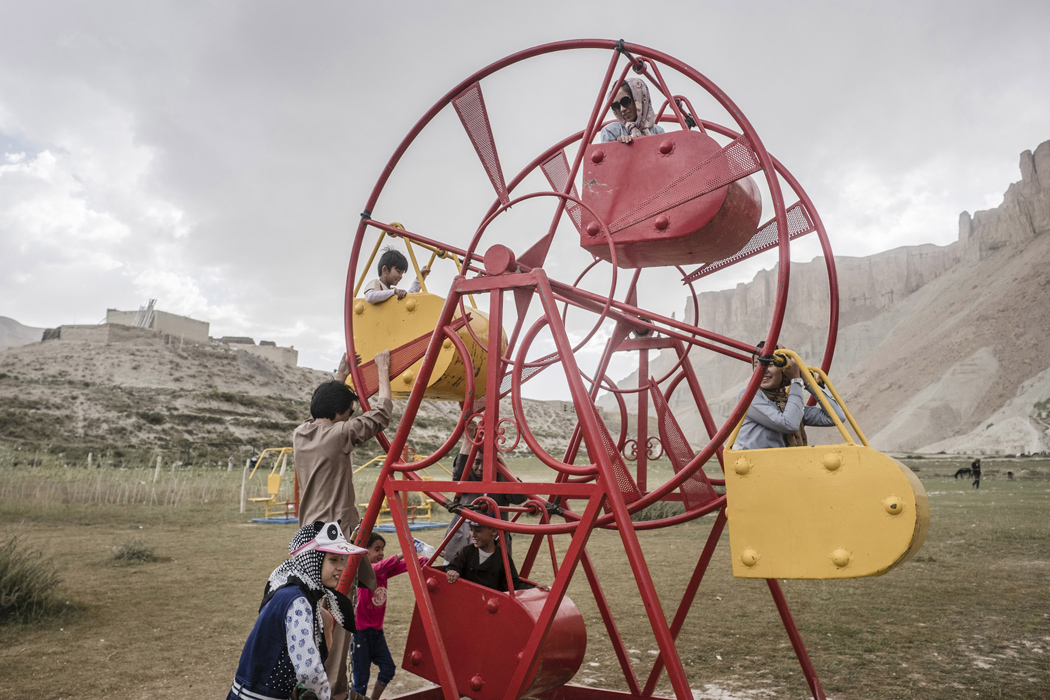
Afghan children sit on a ferry’s wheel at Band-E Amir national park on August 13, 2017, in Band-E Amir, Afghanistan. 
Afghan men harvesting wheat at Nayak on August 15, 2017, in Yakawalang, Afghanistan. 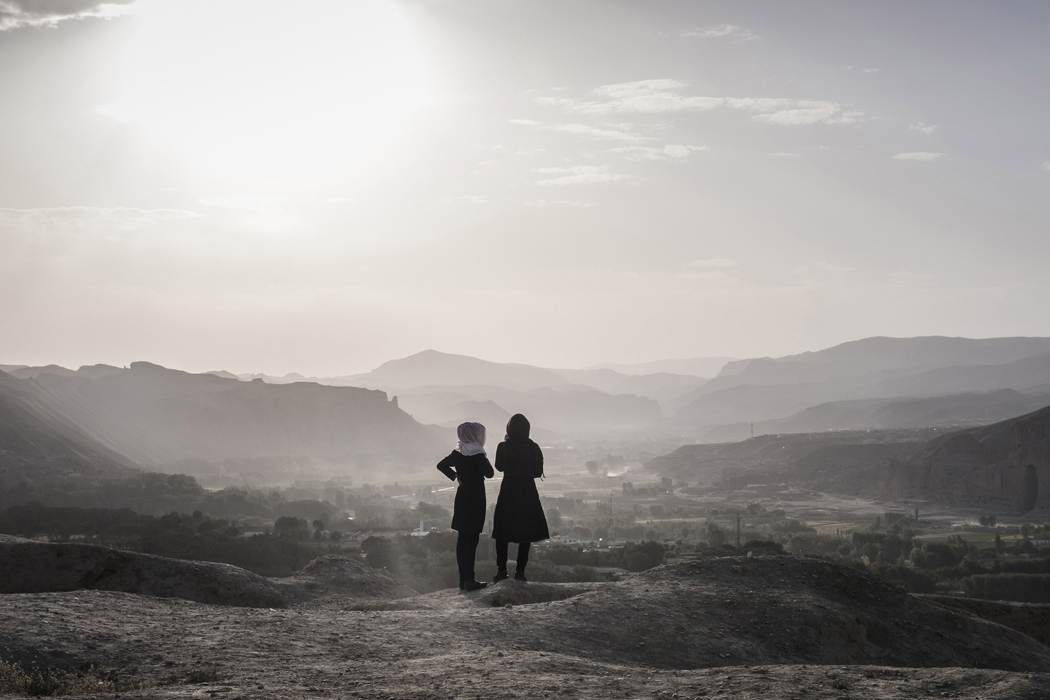
Afghan women viewing the town of Bamiayan from Shahr-e Gholghola ruins on August 7, 2017, in Bamiyan, Afghanistan.
Defying my preconception, I was warmly welcomed by the Afghans and experienced a great deal of hospitality. There was curiosity among the locals in meeting a foreign visitor, something which wasn’t common in their daily life. For them, it was also a rare opportunity to practice English which would be a useful skill in getting translation work.
They were most perplexed by my decision to visit Afghanistan.
“Who did you come with?”
“Why did you come here?”
“How many family members do you have?”
“How much do you earn?”
“Where do you stay?”
These were the common questions I was asked by locals as we tried to get to know each other over bottomless cups of tea and nibbles of naan, which is part of their everyday meal.
After spending a couple days wandering around Bamiyan, I traveled to Afghanistan’s first national park, Band-e Amir, just two hours west of Bamiyan.
Recognized as a national park in 2009, it is a top tourist destination for Afghans. The park is home to six lakes separated by natural dams in the Hindu Kush mountains. On weekends, families travel from all parts of Afghanistan to lounge and picnic by the deep blue lakes, enjoying a dip in its icy waters.
Overestimating my ability to tackle the roads, I struggled on my bicycle. I ended up pushing my way up the dirt tracks to the top of a cliff.
A deep comfort came to me as I stood there, overlooking the lakes. From this vantage point, Afghanistan felt like a peaceful, isolated place without any signs of threat or warfare. Of course, having restricted access to my mobile network helped, which disabled my news and Twitter alerts on the attacks happening in the country. That disconnect, coupled with my personal experience traveling through the country, made it hard to believe that I was in the middle of a war zone.
Life in Afghanistan may have looked simpler from my altered perspective, but the country still faces a complex range of problems, from security issues to the lack of women’s rights and gender equality.
As I stood on the edge of that cliff with a new scene unfolding before me, I wondered how Bamiyan would look like if there were more international visitors, and if the scenic region is ready for mass tourism in the midst of a war.
 Laurence Tan Visual Journalist